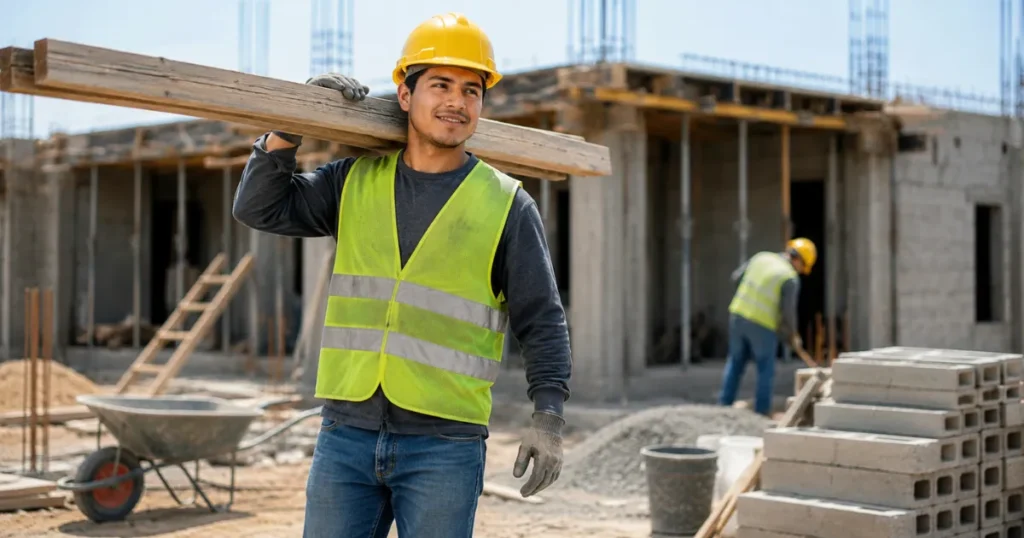
The position of welder in the United States is of paramount importance in various industrial sectors, including manufacturing, the construction and the repair of marine vehicles and structures. Welders specialize in joining metal pieces using various welding techniques and equipment, such as TIG, MIG, arc welding, and gas welding. These professionals must possess a high level of technical ability and a deep understanding of the properties of metals and appropriate safety procedures.
The demand for welders in the United States remains constant due to the ongoing need for construction and maintenance of critical infrastructure. The education required for these positions can range from technical certificates to associate degrees in welding. Due to the physical and technical nature of the work, welders must stay up-to-date on welding technologies and methods to optimize their efficiency and comply with strict safety standards. In general, being a welder in the United States offers opportunities for employment stable and well-paid jobs in a wide variety of industries in the U.S.
The role of a welder in the United States.
- Implement Drawings and Specifications: Technical drawings and plans must be read and interpreted to determine the required welding operations.
- The materials are then prepared. The metal surfaces must be cleaned and prepared before welding, and the metal pieces must be cut to the required size.
- Welding Equipment Management: Works with various types of welding equipment, such as TIG, MIG, arc, and gas welders.
- Strength: Joining and repairing metal pieces in various directions, such as horizontal, vertical, or upward.
- Quality assessment: Verify the quality of the welds, ensuring that they meet the established standards and specifications.
- Equipment maintenance is as follows: Routine maintenance and minor repairs on welding equipment must be performed.
- Compliance with safety regulations: Remain attentive to safety regulations in order to reduce the danger of accidents and injuries.
- Continuous Training Capacity Attend courses and training to stay up to date on the latest welding technologies and techniques.
- Assembly and execution: Manufacture metal parts and assemble complex structures that meet project requirements.
- Regarding Consulting and Supervision, advising on welding techniques and, on occasion, supervising other welders or metalworkers.
Benefits
- Job stability is essential. The constant demand in industries such as construction, manufacturing, and repair offers considerable job security.
- Advancement Capabilities: There are opportunities to progress to supervisory, management, or specialized roles such as welding inspectors.
- At a competitive level: Welders often receive competitive salaries, which can increase with experience and specializations.
- Additional Advantages: There are multiple employers that offer benefits such as health insurance, retirement plans, and overtime compensation.
- Diversity of industrial areas. Welders can work in various industries, allowing them to vary their work environment and the types of projects they undertake.
- Development of technical knowledge: Professional activity enables the constant development of technical skills, which is stimulating and enriching.
- Subject: Many welders have the opportunity to work relatively autonomously, especially on small-scale projects.
- Physical and Practical Learning: Ideal for those who want a job that requires physical activity and practical skills over office work.
- The possibility of obtaining self-employment: Experienced welders can choose to establish their own welding service business.
Requirements of Requirements
- A high school diploma or equivalent is also required.
- Technical training in welding.
- The American Welding Society (AWS) certifies certifications from entities such as the American Welding Society (AWS)
- Work experience.
- Familiarity with various welding procedures.
- Excellent physical capabilities.
- Familiarity with industrial safety.
- Communication skills.
- Availability to relocate or move.
Monetary benefits
- The hourly wage is $20.
- Savings in overtime hours.
- Bonuses and commissions are awarded.
- Annual estimates.
- Superior benefits in specific areas.
- Contract work opportunities are available.
- The costs of independent work.
Learn how you can join our team and the steps to apply. official website.
🔔 Free job alerts
Receive new US job openings in your email.
Every week: new job openings, guides, and resources. Plus, a free CV template pack.